I immediately thought about the opening devotion of our CPT delegation, in which we read from Luke 24:26-51. The risen Jesus appears among his disciples and they are afraid. But Jesus calms the disciples’ fears with greetings of peace, he lets them see him and touch him. He eats with them, opens their minds, and blesses them.
Rick, our delegation leader, offered that Jesus' action in this passage is a model for the incarnational ministry that CPT does and could serve as a model for us on the trip too. We went around the circle naming our fears and exchanging greetings of peace, a perfect way to begin to know each other.
The theme of the devotional struck a chord; I had already been thinking about fear while preparing for my trip. So much so, in fact, that I journaled about it on the plane ride over:
"Is it safe?" "Are you afraid?"-- two questions I've been asked frequently when sharing about my trip. With regards to safety, I don’t know how to answer. I get asked the same question about my neighborhood in DC.
And it's true, in the suburbs where I grew up, you don’t hear nightly sirens or occasional gunshots like you might in my current home. But in reality, safety and security are so often an illusion. We put up barriers, segregate neighborhoods, but at what cost?
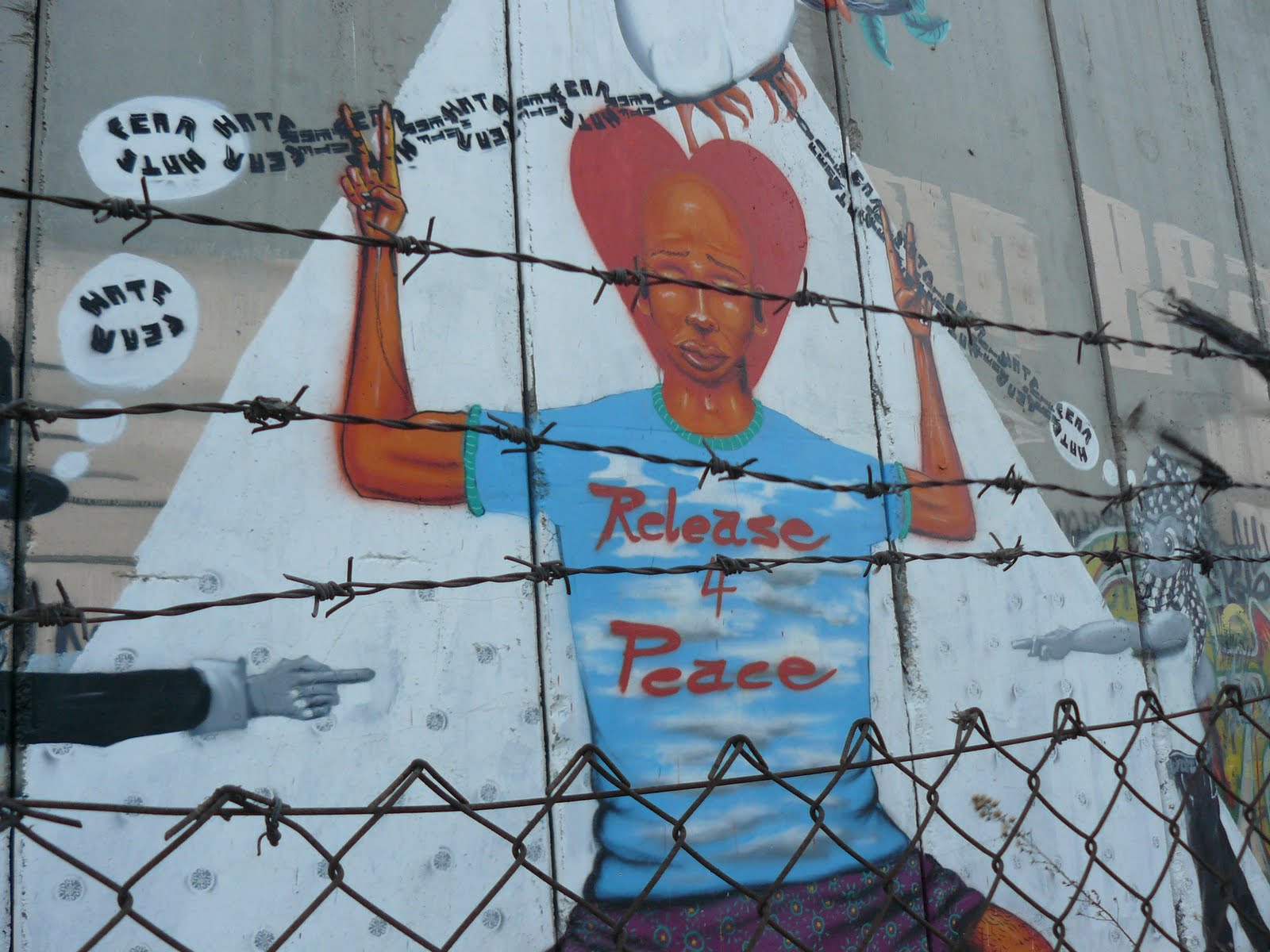
It may indeed allow some people to live in quieter spaces with less violent crime, but it also serves to isolate us from the reality that our sisters and brothers on the other side of that gated community, or other side of the world, face. It isolates us from meaningful relationships with them, and from hearing God's voice in the unique way that God speaks at the margins and in suffering.
I think the same dynamic exists in traveling to an occupied territory. Though we can separate our lives, in some ways, from the world’s violent realities, this separation is an illusion. By virtue of being U.S. taxpayers who fund a massive military, sell weapons, and give aid to countries with atrocious human rights records, we, too, are culpable and our fates are inextricably intertwined with those who suffer from abuses of militarism and infringements upon human rights.
When we begin to view our human connectedness as brothers and sisters, responsible for each other’s welfare, we are compelled to tear down the physical and abstract walls which separate and "protect" us. This idea, for me, is tied to that next question of “Are you afraid?”
When I read about acts of violence committed, hatred, kidnappings, rocks thrown, random beatings and abuses, detention and prevalence of machine guns, fear sits at the pit of my stomach.
I don’t like it. I want to make it go away, to dull that feeling by distracting myself, thinking about something else. But I recognize the privilege in being able to do that; threats of violence are real and close for many in the world, and fear isn't dulled by merely turning on the TV.
The presence of threat really does exist for many people in Palestine, so if there can be any semblance of solidarity through experiencing this fear, I don’t want to cover it up, I don’t want to be distracted. I want to be present in it.
 It is a reminder that nonviolence is not a warm fuzzy idea, achieved through holding hands in a grassy field and singing. It is a lived-out practice, risky, from which suffering may come. We know this to be true not only by bearing witness to today’s peacemakers but also in studying the life of Jesus, who preached a counter-cultural message (turn the other cheek?!) and lost his life.
 So, for these reasons, safety and fear, while important questions to me, aren’t the determining factors in a decision to make a trip like this. A narrative of fear, so prevalent in the media and even in the church, seeks to limit and demonize. I want to challenge that.
"Come and See" was the theme of the homily the last Sunday service our delegation was in Jerusalem - a plea to come and witness the suffering that the occupation causes - holding both Palestinians and Israelis captive in various ways. Coincidentally, its also the title of the document Palestinian Christians have produced encouraging Christan tourists to seek to understand more of the Palestinian story on their pilgrimages.
I call upon all of my readers and loved ones to "come and see," too, - to visit Israel-Palestine, if possible, as well to visit all the places in our hearts and lives in which fear and prejudice still reigns, to examine that fear, and to courageously challenge it through following the command of "be not afraid" and crossing the boundaries in our lives which "protect" and separate. By crossing into those places, literally and metaphorically (which may occasionally involve some risk to personal safety!) we experience a richness and liberation in new relationships and understanding.